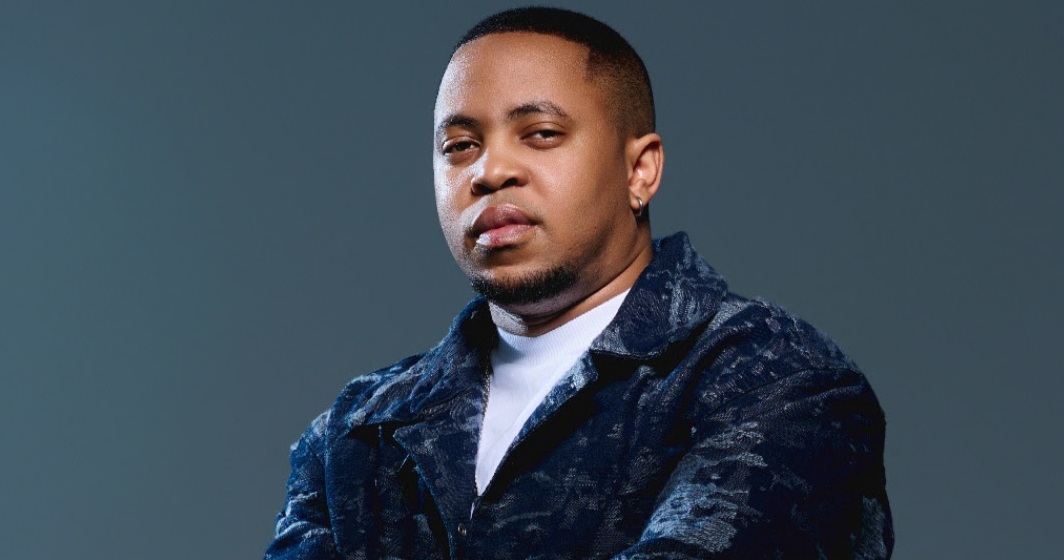
More than two decades after Malaika’s “Destiny” became a South African radio staple, Stakev has given the Afro-pop classic an Amapiano makeover. Released by Sony Music Entertainment Africa on 20 November 2026, Destiny [Re.Experience[D]] (Stakev Remix) keeps the original vocal harmonies at its centre, building a new groove around them with deep log drums, warm pads and shakers.
The remix was already circulating before release day. Sony says it picked up early support from DJ Maphorisa, Kabza De Small and DBN Gogo, with the track making its way into DJ sets, onto TikTok and onto radio.
Stakev finds the groove in ‘I can feel it’
Stakev began by reworking the chords, then laid down Malaika’s vocals before adding the bassline. One of his biggest changes comes in the Sgubhu section, where he chops the phrase “I can feel it” into a rhythmic hook.
“I then thought to myself, ‘How can I make it more fun?’ especially in the Sgubhu part, cause I wanted people to dance when it gets to that section,” Stakev said. “I wanted to feel it while at groove.”

A rare yes from Malaika
Founding member Bongani Nchang said Malaika had fielded remix requests over the years and turned down versions they felt fell short of the original. This time, Nchang and producer and songwriter Godfrey “Guffy” Pilane reached the same verdict independently.
“I received an email and I then played the song. After listening to the full song, I gave it my stamp of approval,” Nchang said. “This one was a definite yes. Only to find out that Guffy thought the same thing.”
The story behind ‘jersey number 10’
“Destiny” first appeared as track 10 on Malaika’s self-titled 2003 debut album. It went on to become the group’s signature song, but Pilane recalls that Sony Music’s Lindelani Mkhize initially wondered why such an obvious single was sequenced so late.
Pilane had nicknamed the song “jersey number 10”, after the shirt worn by some of football’s most influential players. He wanted listeners to hear the album before they got to the track he believed would be its breakout hit. It also gave the group a way to introduce Tshedi’s voice to audiences who already knew the male members.