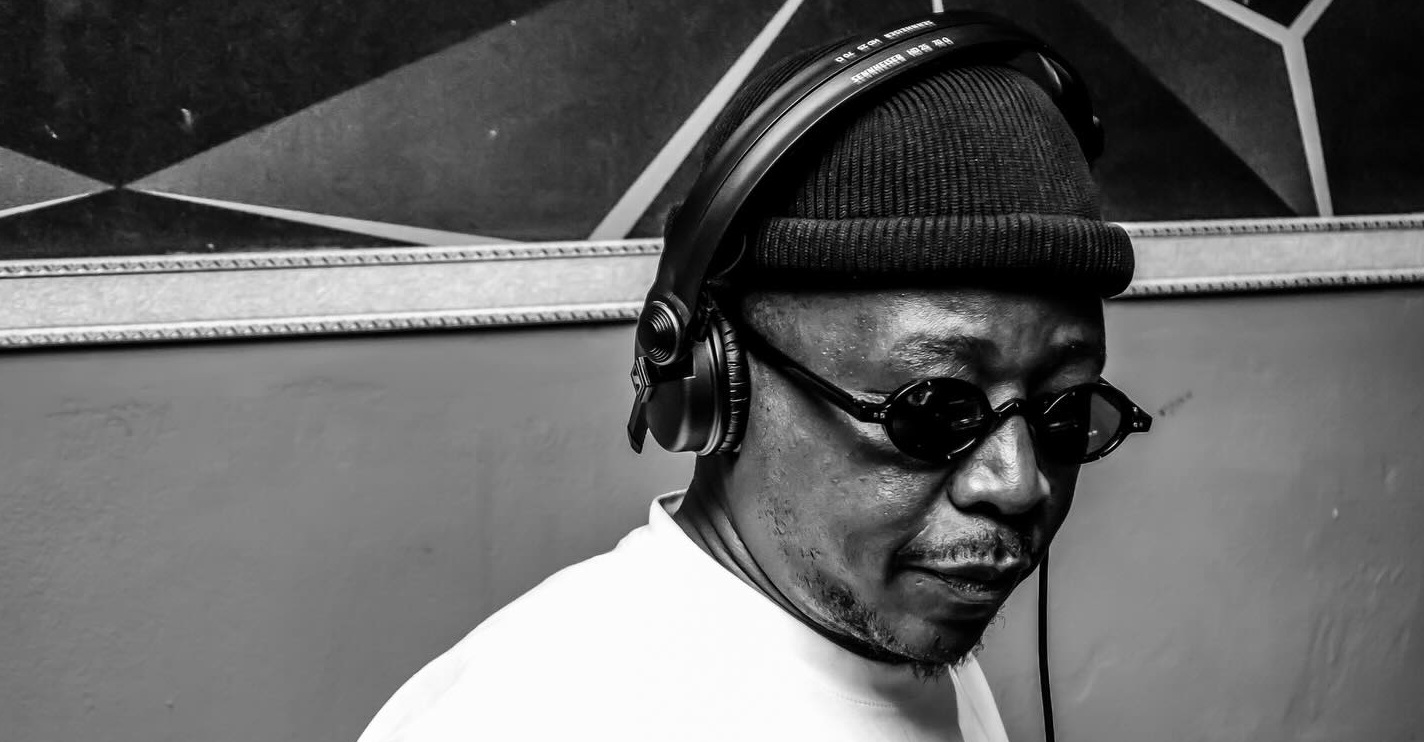
Black Motion co-founder opens up about his genre-defying solo journey, the rise of jazz culture and why the drums will never stop
After spending more than a decade shaping South Africa’s Afro-house movement with Black Motion, Thabo Smol is entering a new chapter, one that swaps explosive percussion for laid-back jazz grooves without abandoning the musical roots that made him a household name.
Speaking to TheJournalistDJ.Com, Smol explained that his latest musical direction is not a reinvention but rather a return to where his musical journey began.
“We’ve Always Had That Jazz Side”
Fans who attended his recent performance were surprised to hear a completely different sound from the Black Motion co-founder.
Instead of the high-energy Afro-house sets audiences have grown accustomed to, Smol delivered a soulful blend of jazz, Brazilian influences and slower tempos inspired by classic 45 BPM house records.
According to him, the transition has been years in the making.
“We’ve always listened to jazz. We’ve always produced something slow. We’ve always produced alternative music. I just wanted to bring that 45 BPM bossa vibe back so people understand where it originally comes from.”
For Smol, the move is less about changing genres and more about showcasing another side of his musical identity.
From The Drums To The DJ Booth
While many fans associate Smol with his iconic live drumming performances alongside Black Motion, he says producing and DJing have always existed behind the scenes.
“When you’re in music, you’re in music,”
he explained.
“You don’t choose what genre you make. When you’re a producer, you simply make music.”
Although audiences may only now be discovering this side of him, Smol insists it has always been part of his creative process.
Jazz Isn’t Trending: It’s Returning Home
With younger audiences increasingly embracing jazz events across South Africa, Smol believes many people are misunderstanding what’s happening.
Rather than describing jazz as a new trend, he says the country is simply reconnecting with its musical foundation.
“Jazz has always been there. Jazz is our home, jazz is our culture and it’s everything that made us what we are today.”
He credits pioneers who have consistently kept jazz alive by presenting it in unconventional spaces and introducing it to younger generations through modern production styles.
According to Smol, today’s audiences are responding because artists are successfully fusing traditional jazz elements with contemporary sounds.
Black Motion Isn’t Going Anywhere
Despite the success of his solo project, Smol was quick to reassure fans that Black Motion remains active.
He revealed that the group continues to receive bookings while balancing his growing jazz performances.
“Black Motion is forever. If there’s no drum on earth, then there’s no Black Motion.”
The act recently performed in Polokwane, with more performances already lined up.
For Smol, it’s simply about managing two musical worlds that serve different audiences and different moments.
A Birthday Gift That Became A National Success
Smol admitted he had no expectations when he released his jazz album, describing it as a personal birthday gift after spending nearly a decade developing the project.
The album, which had been in production since around 2015, was released as he celebrated his 40th birthday.
“I wasn’t expecting anything,” he said.
To his surprise, the project resonated strongly with listeners and went on to become the country’s number one jazz album for approximately three weeks.
“I’m still in shock and forever thankful.”
Still Collecting Awards
Even while exploring new sounds, Black Motion continues to receive industry recognition.
Smol revealed that the group missed attending last year’s awards ceremony because they were touring Europe, but still celebrated major success.
This year, Black Motion returns with fresh nominations, including recognition for Best Remix, continuing a remarkable awards journey that stretches back to the group’s formation in 2010.
“It’s an honour over and over again.”
Music Comes First
Looking ahead, Smol isn’t interested in choosing between his solo career and Black Motion.
Instead, he sees both projects existing side by side.
“The plan is just music,” he said.
“Thabo Smol is there. Black Motion is there. The movement will never die.”
As South Africa’s dance music landscape continues to evolve, Smol’s latest chapter proves that artistic growth doesn’t always mean leaving the past behind—it can simply mean returning to the music that inspired everything in the first place.