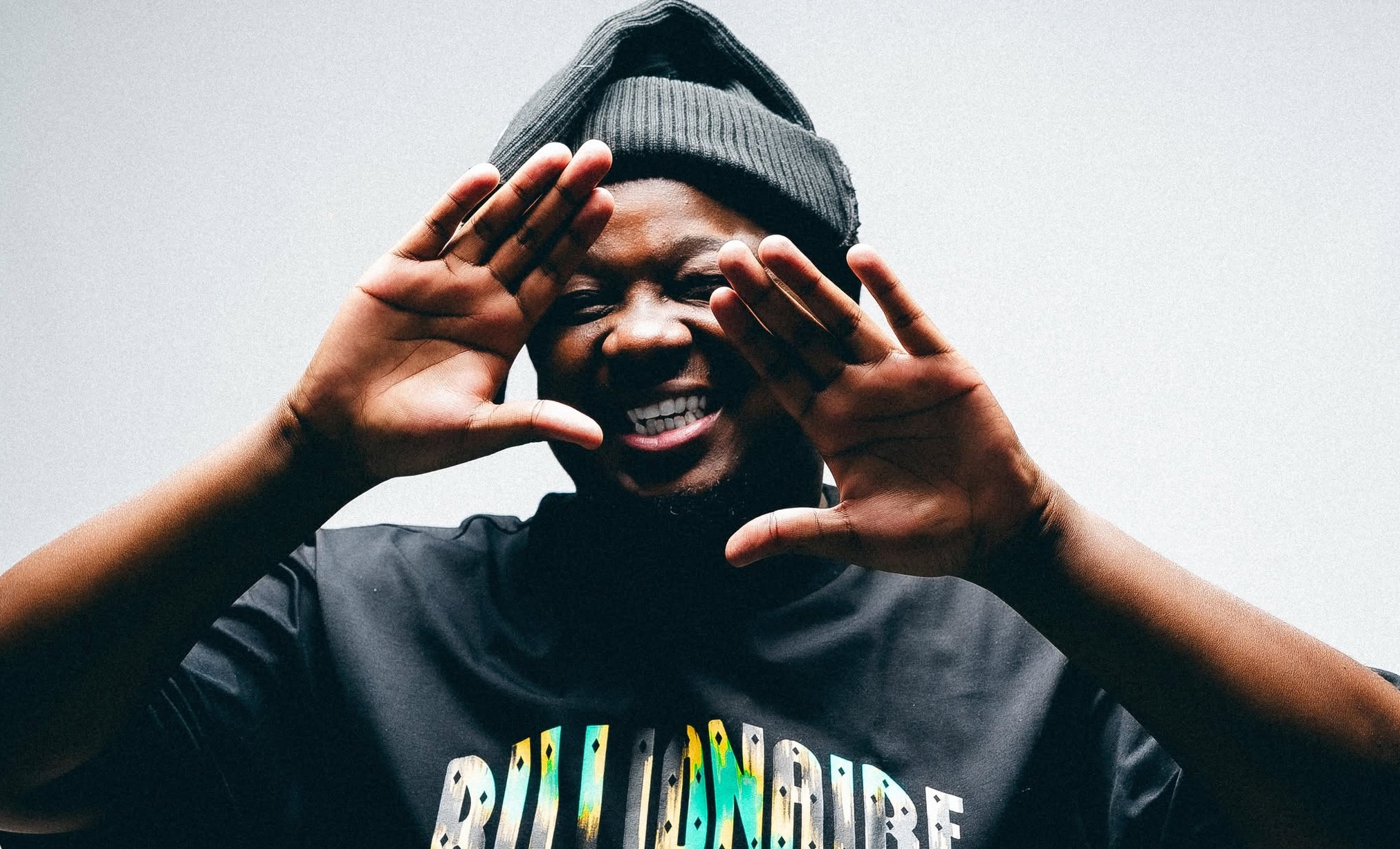
South African DJ and producer Sfarzo Rtee has shared the personal experiences behind his musical journey, reflecting on an accidental schoolyard DJ moment, his admiration for Swedish House Mafia and the emotions driving his music.
Speaking to TheJournalistDJ.com, the Amapiano artist also discussed his upbringing between Limpopo and Pretoria, his approach to working with vocalists and the relationship experiences behind “Ngibuyele Kuye”.
A Schoolyard Mistake That Sparked Confidence
One of Sfarzo Rtee’s earliest moments of musical encouragement came while entertaining friends during his primary school years.
He recalled carrying speakers in his school bag and gathering with friends on the fields after class. During one of those sessions, an unintended move on the controls produced an unexpectedly good response.
“Everyone went crazy,” he recalled.
Rather than admitting that the moment had been accidental, he played it cool and acted as though it was intentional. The experience helped build his confidence and became an early turning point in his interest in DJing.
“That was the beginning,” he said.
Swedish House Mafia Inspired a Bigger Dream
Alongside those early experiments, Sfarzo Rtee found inspiration in international electronic music.
He singled out Swedish House Mafia’s “Don’t You Worry Child”, recalling how watching the music video before school helped him imagine a future in which he could connect with audiences through music.
“One day I wanna be like Swedish House Mafia,” he remembered thinking.
The ambition was about the impact he could have on people.
“I wanna move crowds,” he said. “I wanna touch lives with music.”
That desire to create an emotional connection remains central to how he describes his work as an artist and producer.
Limpopo Roots and a Pretoria Upbringing
Sfarzo Rtee also clarified an aspect of his background that listeners may not immediately associate with his sound: he grew up in the suburbs.
He spent the first four years of his life in Limpopo before moving to Pretoria. Despite his suburban upbringing, he said he naturally gravitated towards kasi culture through his friendships and interests.
That connection also played a role in the origins of his stage name, with friends noticing the contrast between where he lived and the language and culture he embraced.
His account offered a more personal picture of the influences behind his identity, shaped by experiences across different environments.
Heartbreak Behind “Ngibuyele Kuye”
The conversation turned to “Ngibuyele Kuye”, his collaboration with Tracy and Wesley Keys. The track is credited to all three artists, a distinction Sfarzo Rtee also emphasised during the interview.
He explained that the song centres on someone who wants to return to a former partner, connecting its subject matter to his own experience of heartbreak.
While he kept the finer details private, he acknowledged that he had once wanted to reconnect with an ex who no longer wanted the relationship.
“For those that know me, they’ll tell you,” he said. “Do I love my ex? Not anymore, but I did.”
The candid admission revealed the personal feelings behind a song about longing and the difficulty of letting go.
Giving Vocalists a Canvas
Although production is his main means of expression, Sfarzo Rtee admitted there are moments when he wishes he could pick up a microphone and communicate his feelings directly.
He said he does not consider himself to have the singing voice to do that. Instead, he channels those emotions into the music and helps vocalists understand the feeling he wants a song to carry.
“Here’s a canvas, I want you to paint,” he said, describing that creative exchange.
For him, collaboration creates a way to express experiences he might otherwise struggle to communicate in his own voice.
Wanting His Music to Reach Everyday Spaces
Asked about the significance of a successful song, Sfarzo Rtee described those moments as glimpses of what he could achieve.
One ambition is to hear his music becoming part of everyday life, playing in malls, taxi ranks and other shared spaces.
He also acknowledged the steady requests from listeners for another album, even when he does not yet feel ready to deliver one.
Throughout the conversation, his motivation returned to the same desire that first drew him towards DJing: making music that moves people and gives them something to connect with.